Greece walked into Augsburg with a plan, and they walked out with history. Germany lost 1-0 on Sunday, the first defeat to Greece in the two nations’ history. It was also Jurgen Klopp’s first loss as national team coach, and it left him winless after two games in charge.
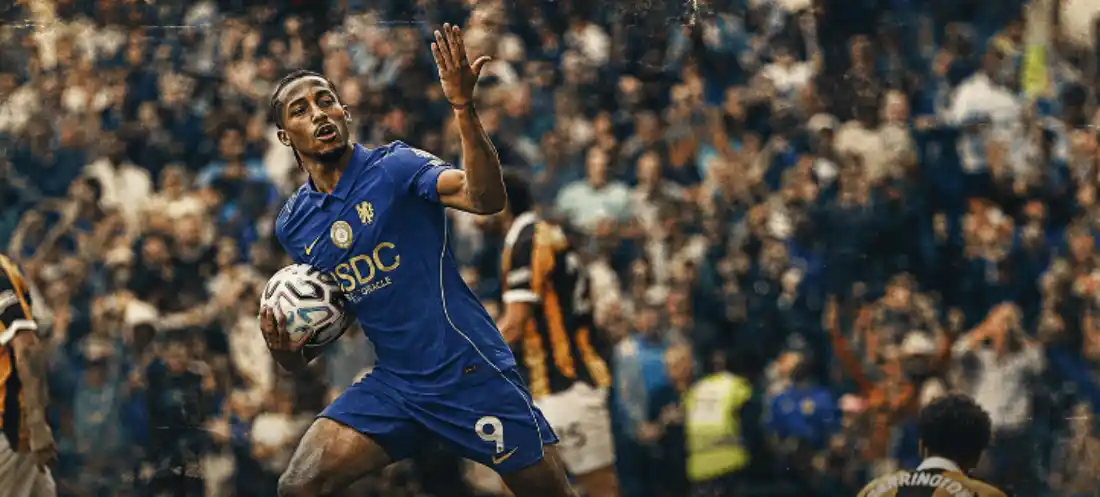
Substitute Dimitrios Kourbelis settled it in the 74th minute. His shot from the edge of the box took a heavy deflection off Joshua Kimmich and wrongfooted goalkeeper Alexander Nubel. On another night, Germany win comfortably. On this one, they created plenty and finished nothing.
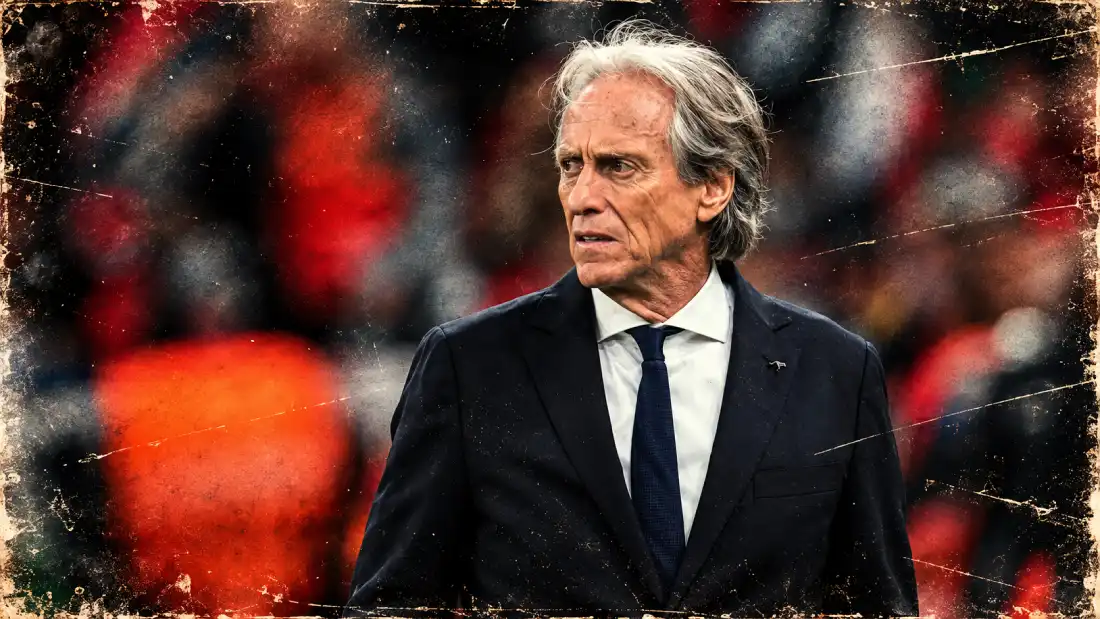
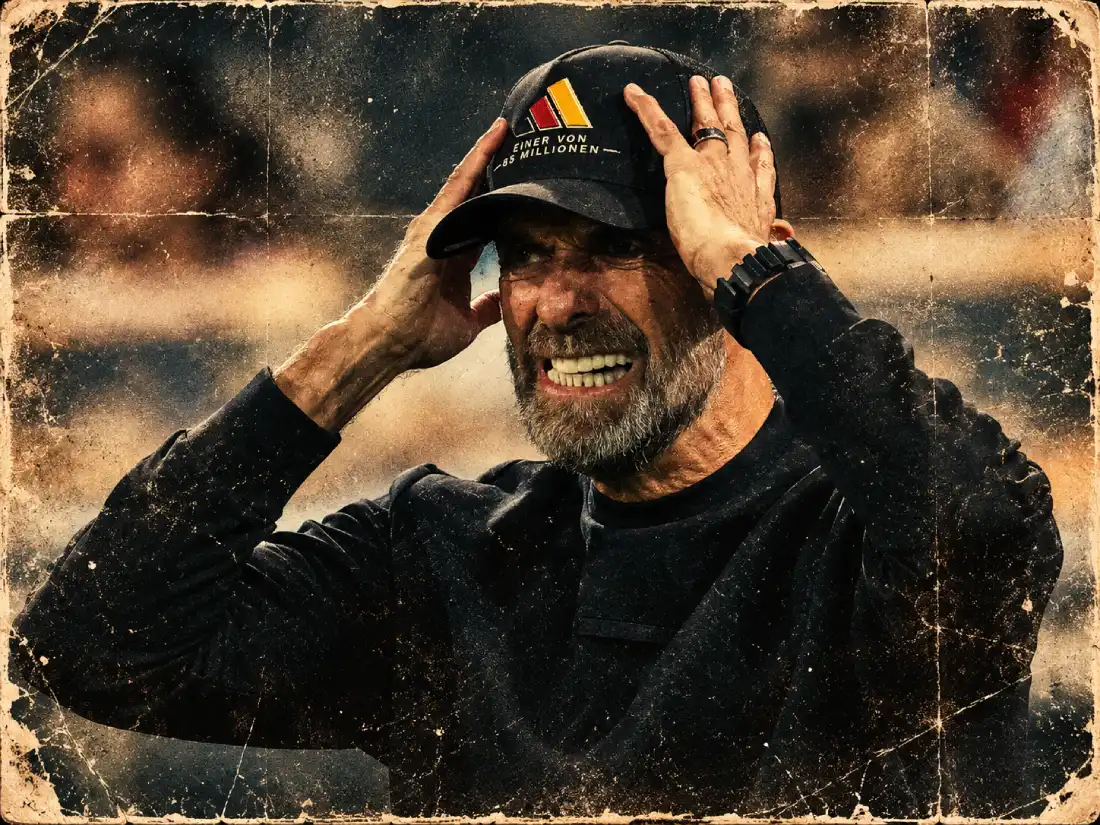
Klopp did not hide from it afterward. He told broadcaster ARD the lineup, the formation and the many changes were all “100% down to me.” That is the tone of a coach who wants the blame pointed at the whiteboard, not the players.
The story of the match sits in a single number. Germany held more than three-quarters of the ball in the first half, 77% possession according to Opta. They just could not do much with it. Karim Adeyemi carried the threat, forcing a strong save from Konstantinos Tzolakis around the half-hour mark. After that, the Greek keeper had a quiet evening by design.
That gap between control and danger is the thing Klopp has to close. Possession without penetration is a familiar trap for a rebuilding side. Greece sat deep, stayed compact and dared Germany to find a way through a packed box. Germany kept knocking. The door never opened.
Five Changes and a Team Still Searching for an Identity
Klopp made five changes from the side that drew 1-1 with the Netherlands on Thursday. He handed a debut to Hoffenheim winger Bambase Conte, who fired Germany’s first sight of goal wide inside three minutes. The intent was clear. The cohesion was not.
You could see the experiment in real time. A new-look front line dominated territory but lacked the automatic understanding that turns pressure into chances. Klopp said as much to UEFA.com. He admitted his team must be “more convinced” about what they are doing, and that the group still needs time to come together.
The second half exposed the risk of that approach. As Germany pushed more bodies forward, Greece grew sharper on the counter. Fotis Ioannidis found himself alone in the box and missed a golden chance to score. Jonathan Tah cleared another danger off the line before Kourbelis finally punished the hosts.
Here are the three takeaways that matter most from Augsburg.
1. The finishing, not the philosophy. Germany’s structure worked. They pinned Greece back and generated the better openings. The problem was the final ball and the final touch, not the game plan itself.
2. The counter-attack gamble. Committing numbers forward against a low block invites trouble. Greece’s winner came against the run of play, but it came from a chance the setup allowed. Klopp will weigh that trade-off carefully.
3. The squad is still a rotation, not a team. Klopp confirmed he will keep changing personnel. That honesty is refreshing, but it also means the identity everyone is waiting for remains a work in progress.
What the Result Means for Germany’s Nations League Group
The table now tells an uncomfortable story. Germany sit third in their League A group with one point from two matches. Greece lead the group with a maximum six points after beating the four-time World Cup winners.
The stakes are real, not warm-up stakes. The Nations League is UEFA’s competitive tournament for national teams, played between major qualifiers and finals. Results here shape rankings and tournament seedings. A shock defeat in this format stings more than a friendly loss would.
Defender Jonathan Tah was blunt about the performance. He told reporters Germany “simply didn’t perform well enough” and admitted the players were disappointed and angry. He also insisted the group would stick together and make up for it in the next game.
That next game comes fast. Germany host Serbia in Munich on Thursday before traveling to face Greece again the following Sunday. Two meetings with the same opponent in a week gives Klopp a rare chance for immediate redemption. It also gives Greece a chance to prove Augsburg was no fluke.
The Liverpool Start Offers Some Perspective
History suggests patience with Klopp can pay off. His Liverpool reign began quietly too, with a 0-0 draw at Tottenham in October 2015. He did not win any of his first three league games in charge on Merseyside.
His first Premier League victory arrived only in late November 2015, a 1-0 win over Swansea. The slow burn hardly defined what followed. Klopp went on to win the Champions League and end Liverpool’s 30-year wait for a league title.
The comparison is not exact. At Liverpool he did not lose those early games, and international football gives a coach far less training time than a club season. Klopp also took the Germany job only in the summer, after the team’s early World Cup exit, so the rebuild is barely underway.
Still, the pattern is familiar. Klopp builds identity gradually, then the results arrive in a rush. A rough opening fortnight told us little about the Liverpool project in 2015. It may tell us little about the Germany project now.
The Klopp era was always going to be a process. He said it himself in Augsburg, and he clearly means it. The measure of that process will not be one deflected goal on a frustrating Sunday. It will be how his team responds when the same opponent stands in front of them again next weekend.